8 Calming Bedtime Activities for Kids Ages 1–5 (That Actually Work)
Part of our complete guide: Building Emotional Intelligence in Toddlers and Preschoolers: The Complete Parent's Guide
The stretch between dinner and lights-out can feel like the longest hour of the day — and you're not alone if your little one seems to get their second wind right when you need them to wind down. The good news is that the right bedtime activities for kids don't just help them settle — they also build emotional intelligence, self-regulation, and a sense of safety that carries into the night. These eight activities are gentle, screen-free, and simple enough to slip into any bedtime routine starting tonight.
Why Bedtime Activities Matter for Little Ones
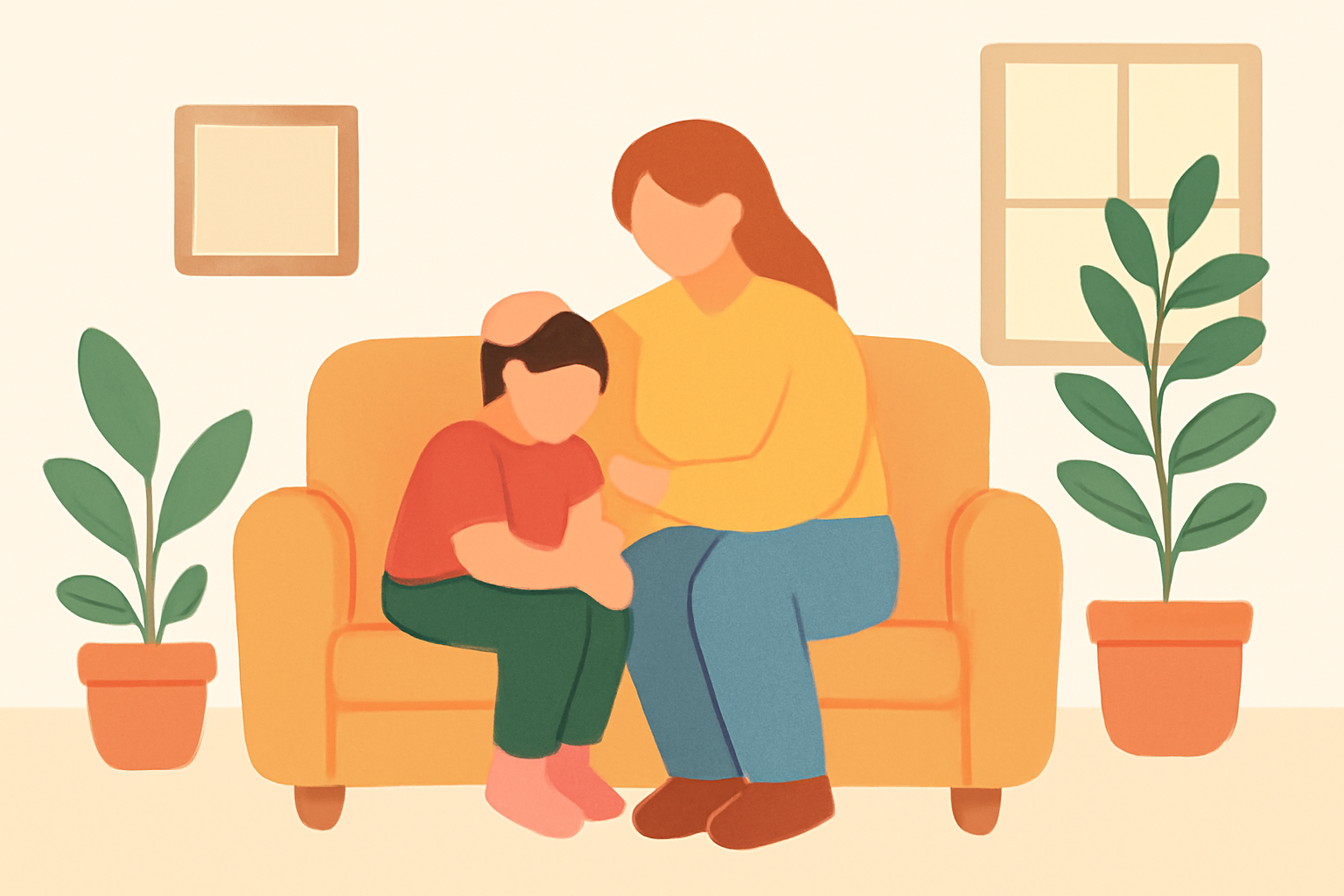
Young children's nervous systems are still learning how to shift gears. After a busy, stimulating day, your little one's brain needs a bridge — a series of predictable, calm signals that say "the exciting part is over, and now it's safe to rest." Bedtime activities that involve slow breathing, emotional check-ins, or quiet play do exactly that. They lower cortisol levels, reduce bedtime resistance, and help your child feel heard and connected before they drift off.
There's a bonus, too. The window right before sleep is one of the best times for emotional learning. Your little one is relaxed, the pace is slower, and they're more open to conversation. Weaving in activities that name feelings, practice calm-down strategies, or reflect on the day plants seeds that grow into real emotional skills — the kind that help them handle hard moments long after bedtime is over.
8 Bedtime Activities for Kids That Calm, Connect, and Build Big Skills
1. Balloon Belly Breathing
This is one of the simplest and most effective calming activities you can do with your little one at the end of the day. Lie down together and place your hands on your bellies. Ask your little one to breathe in slowly through their nose, filling their belly up like a big balloon — watch it rise! Then breathe out through the mouth with a long, slow "whoooosh" as the balloon deflates. Do five rounds together, making it playful with silly sound effects on the exhale.
The beauty of Balloon Belly is that it works in the moment and gives your little one a tool they can use anytime they feel overwhelmed. Once they've practiced it at bedtime a few times, they'll know exactly what to do when big feelings show up during the day.

Developmental benefit: Deep belly breathing activates the parasympathetic nervous system, helping your little one physically release the tension of the day and transition into a calm, sleep-ready state.
2. Big Feelings Check-In
Before you say goodnight, take two minutes to do a feelings check-in together. Name four big emotions — happy, sad, angry, frustrated — and make the face for each one. Ask your little one: "Which feelings did you have today?" Let them point, make the face, or just nod. You share yours too. This isn't therapy — it's just a quick, playful ritual that says "all your feelings are welcome here."
Big Feelings works especially well at bedtime because it gives little ones a chance to offload anything they've been carrying around all day. When children feel seen and understood before sleep, they tend to settle much more easily — and wake up with fewer nighttime worries.
Developmental benefit: Naming emotions helps children build emotional vocabulary and self-awareness, two foundational skills for healthy social and emotional development.
3. Feelings Charades
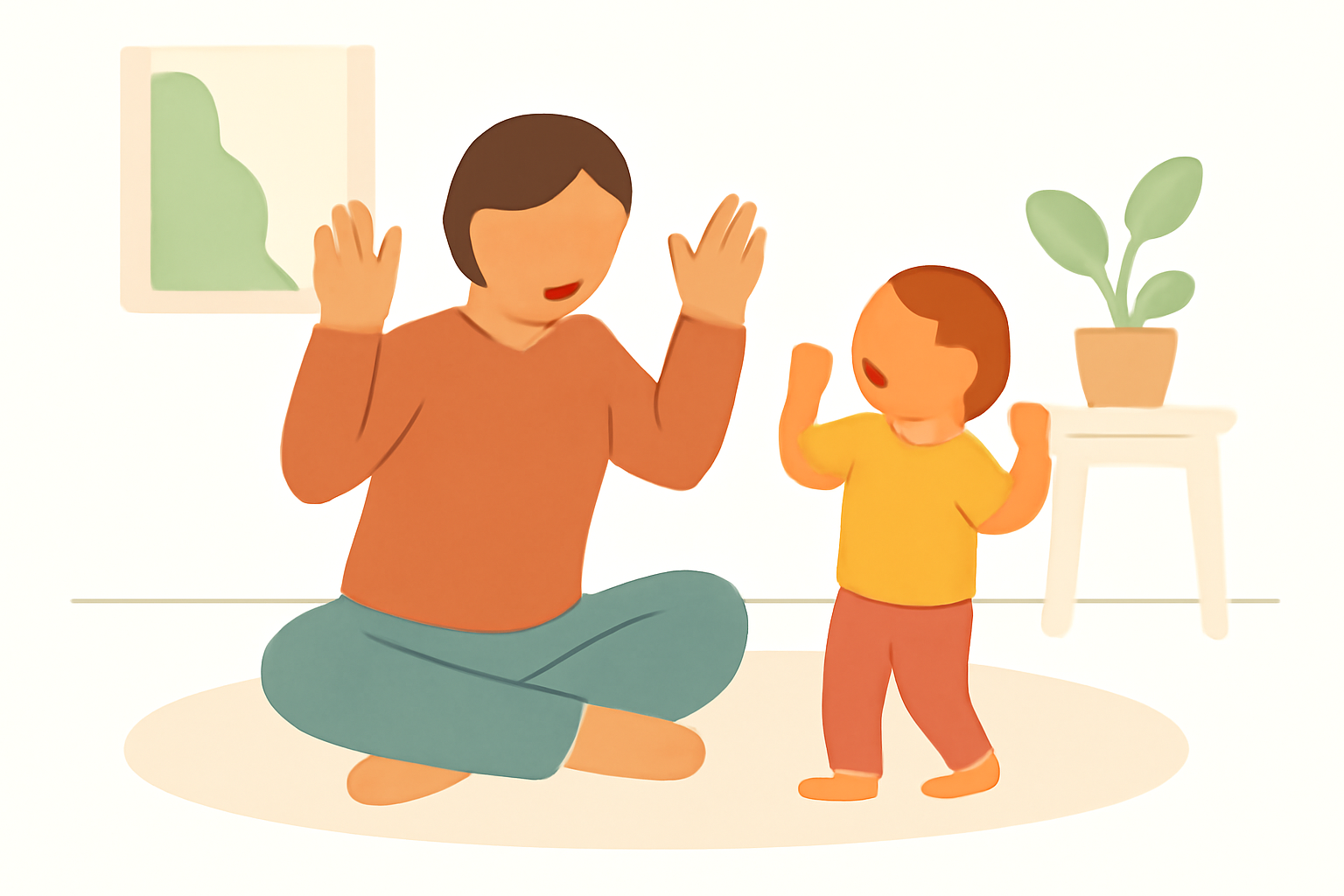
Turn emotional learning into a giggly game by playing a quiet round of feelings charades in bed or on the bedroom floor. You make a face — happy, surprised, nervous, proud — and your little one guesses the feeling. Then swap. The sillier the expressions, the better. Start with the easy ones and slowly introduce new words like "frustrated," "confused," or "embarrassed" as your little one gets comfortable.
Feelings Charades keeps the mood light while doing genuinely important work. Every new emotion word your little one learns gives them a better way to tell you what's going on inside — which means fewer meltdowns and more connection.
Developmental benefit: Expanding emotional vocabulary helps children identify and communicate their inner experiences, reducing frustration-driven behavior.
4. Bye-Bye Nightmares
If your little one wakes up scared in the night, having a plan ready makes all the difference. Do this activity during the day or just before bed, when everyone is calm. Talk about how dreams are stories the brain makes up while we sleep — some are fun, some are scary, and none of them are real. Then teach a simple two-step calm-down trick: take three big belly breaths, then imagine your favorite happy place (the beach, Grandma's kitchen, a favorite park).
Practice the whole thing together right now so it feels familiar when they need it. Bye-Bye Nightmares gives your little one a sense of agency over something that can feel very scary — and that sense of "I know what to do" is incredibly reassuring at 2 a.m.
Developmental benefit: Teaching children a concrete coping strategy for nighttime fear builds confidence and reduces sleep anxiety over time.
5. Cool-Down Countdown
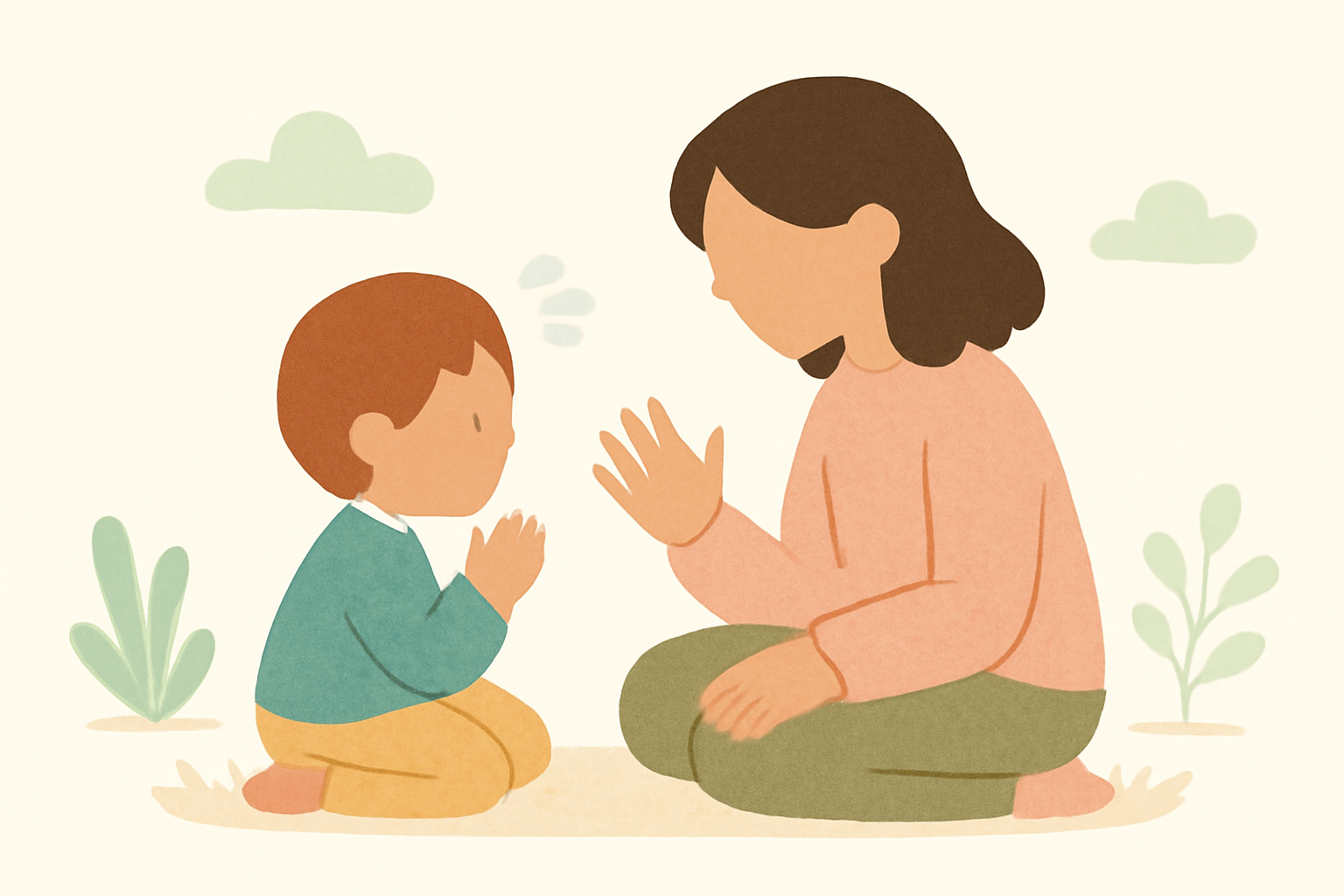
If your little one tends to ramp up right before bed — testing limits, getting silly, or melting down — the Cool-Down Countdown is a wonderful reset. Hold up five fingers together and count backward from five, taking one slow breath out with each number and lowering a finger as you go. By the time you reach zero, ask your little one: "How does your body feel now?"
Practice this when your little one is already calm so it becomes a familiar routine rather than something you're introducing mid-meltdown. Over time, many kids start to initiate it themselves — and there are few things more satisfying than watching a four-year-old take a deep breath and count themselves down.
Developmental benefit: Practicing self-regulation strategies in low-stakes moments builds the neural pathways children need to use those same strategies when emotions are running high.
6. Feelings in My Body
Earlier in the evening — maybe after dinner or during a quiet wind-down period — try drawing a simple body outline together on a piece of paper (a gingerbread-person shape works perfectly). Ask your little one: "When you feel angry, where do you feel it in your body?" They might say their tummy gets tight, their face feels hot, or their hands want to squeeze. Grab crayons and color that spot. Do the same for scared, happy, and sad, using different colors for each feeling.
This Feelings in My Body activity is a beautiful one to keep on the fridge or bedroom wall. In the days that follow, when a big emotion shows up, you can ask "Where are you feeling that right now?" — and your little one will have the language to answer.
Developmental benefit: Connecting emotions to physical sensations helps children recognize their feelings earlier, before they escalate — a key building block of emotional self-regulation.
7. Brave Flashlight
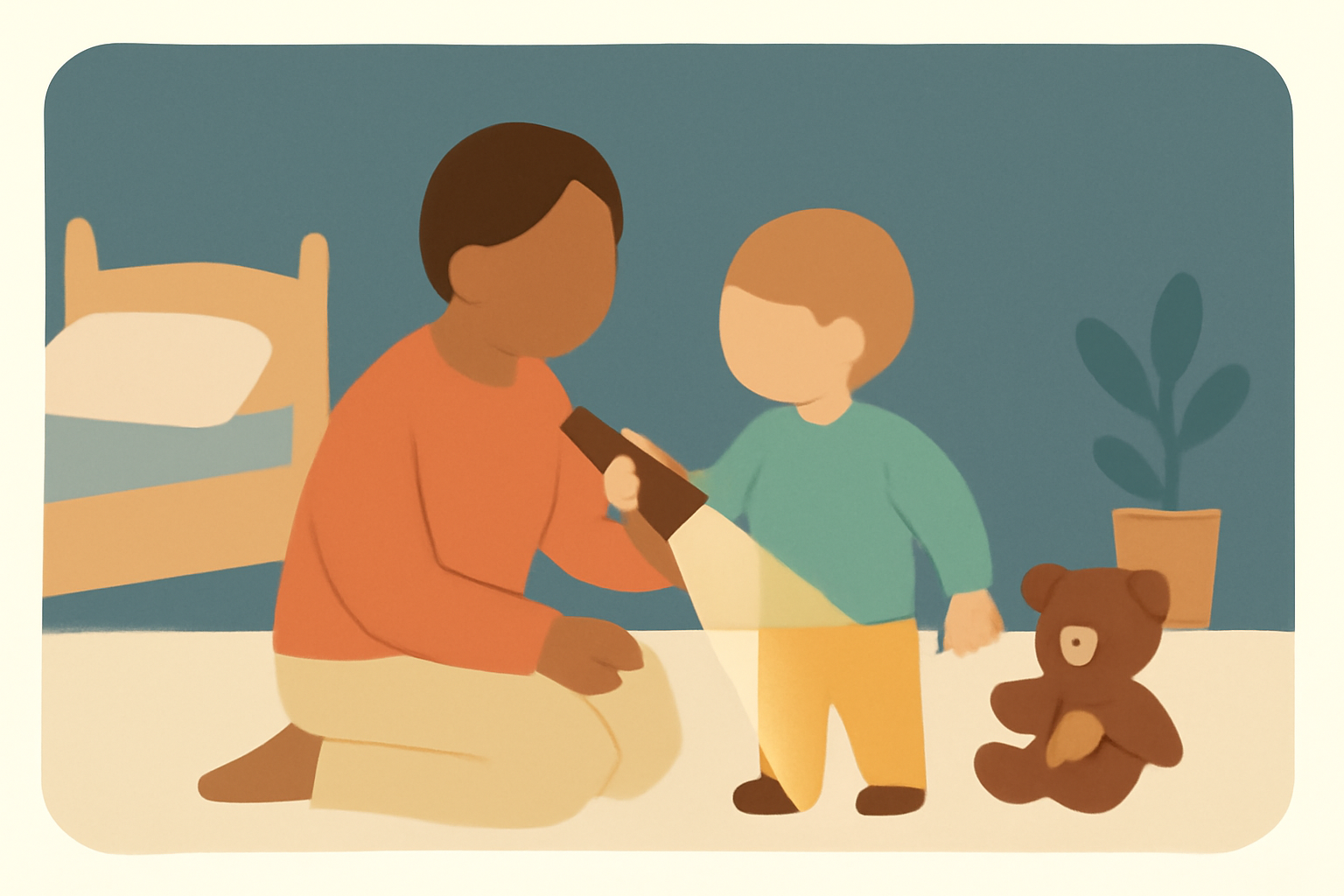
For little ones who are afraid of the dark, this playful activity reframes nighttime from something scary into something they're in charge of. Dim a room or find a dark hallway, hand your little one a flashlight, and declare them the Official Brave Explorer. Follow behind as they lead the way, pointing the beam at anything that seems spooky and naming what it actually is: "It's just a coat! It's just a shadow from the chair!"
Afterward, ask: "Were you a little scared? You did it anyway — that's exactly what brave means." Brave Flashlight is best done before the actual lights-out part of the routine, so there's still a calm transition to sleep afterward. A well-timed high-five at the end goes a long way.
Developmental benefit: Gradually and playfully exposing children to mild fear in a safe context builds genuine courage and helps reduce nighttime anxiety.
8. Empathy Builder Story Pause
If reading together is already part of your bedtime routine — and it absolutely should be — try layering in a little emotional awareness practice. As you read, pause once or twice and point to a character's face: "How do you think she's feeling right now?" Give your little one a moment to look and guess. Then connect it to their own life: "Remember when something like that happened to you? How did you feel?"
Empathy Builder doesn't require any extra time or materials — it just transforms story time into a richer emotional conversation. Keep it light and short: one or two pauses per book is plenty. You're not interrupting the magic of the story, you're deepening it.
Developmental benefit: Perspective-taking — imagining how others feel — is the foundation of empathy, and bedtime stories are one of the richest opportunities to practice it naturally.
Tips for Success
- Keep it consistent. Young children thrive on predictability. Doing even two or three of these activities in the same order each night helps your little one's body recognize that sleep is coming — and that makes the whole bedtime routine go more smoothly.
- Follow their lead on mood. If your little one is overtired or really upset, skip the more interactive activities and go straight to Balloon Belly breathing. Calming the nervous system always comes first.
- Do it with them, not to them. These activities work best when you're fully present and doing them alongside your little one — not directing from across the room while checking your phone. Even five minutes of real eye contact and connection makes a huge difference.
- Don't worry about doing it perfectly. If the feelings charades turns into a giggle fest or the body map ends up covered in scribbles, that's completely fine. The goal isn't a polished result — it's a moment of warmth and connection before sleep.
- Introduce new activities during the day first. If you want to try something like Bye-Bye Nightmares or Cool-Down Countdown, practice it at a calm moment during the day before bringing it into the bedtime routine. Familiarity is what makes these tools feel safe and accessible.
Bedtime doesn't have to be a battle — and with a handful of simple, calming activities in your back pocket, it can actually become one of the most connected parts of your day. Your little one is learning so much about their emotions, their body, and their world, and the quiet moments before sleep are some of the best opportunities to nurture all of that.
Get an activity like this every day
My Little Sparks sends you one fun, age-appropriate activity for your little one — completely free.
Try It Free